

How biodiversity impacts every corner of human life

Explainer
Explainer
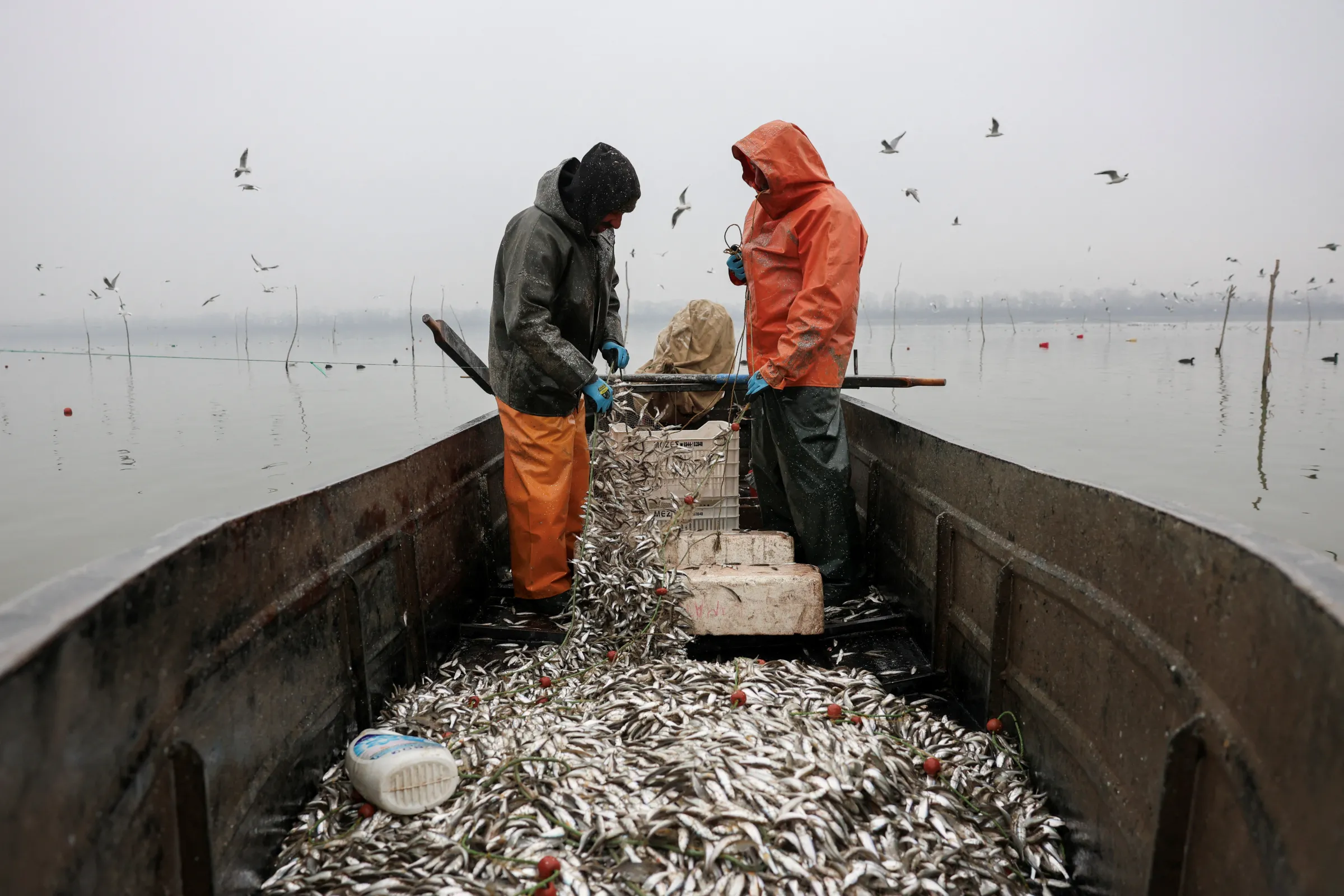
Fishermen gather their fishing nets, in Kerkini lake, Greece, January 9, 2025. REUTERS/Elias Marcou
What鈥檚 the context?
As wildlife vanishes from much of the planet, nature's role in human life is highlighted in new WWF report
- Global biodiversity continues its rapid decline
- Human interaction with wildlife increasingly rare
- Nature loss is harming human culture, food and health
RIO DE JANEIRO - Overhunting, ecosystem destruction and climate change caused by human emissions are all contributing to a rapid decline of global biodiversity.
A new report released by the World Wildlife Fund, an NGO, highlights as a result.
From the large whales that mix ocean waters and make them more able to sustain life to tapirs that help the Amazon forest grow and provide rainwater to South America, the planet's biodiversity is deeply connected to humanity's well-being.
Fishing and hunting
Hunting and fishing have been central to cultures throughout human history, and wildlife remains a key source of for humans.
Wild animal meat accounts for up to 80% of the animal protein consumed by populations in some rural regions of West and Central Africa, which makes it key both to the local economy as well as to food security, said the WWF report.
Humans also consume up to , research published in 2023 by the WIRES Water journal said, and a 2011 report in the Fish and Fisheries journal estimated that marine fisheries provide more than globally.
However, a decline in wild animal populations is harming fishing businesses and making less food available.
A study published in 2021 in the ICES Journal of Marine Science by researchers in Canada and Germany showed, for example, that cod catches in Eastern Canada in 1968, at 810,000 tons, but fell to 10,559 tons in 2019 following a collapse in fishing stocks.
Ecosystem engineering and regulation
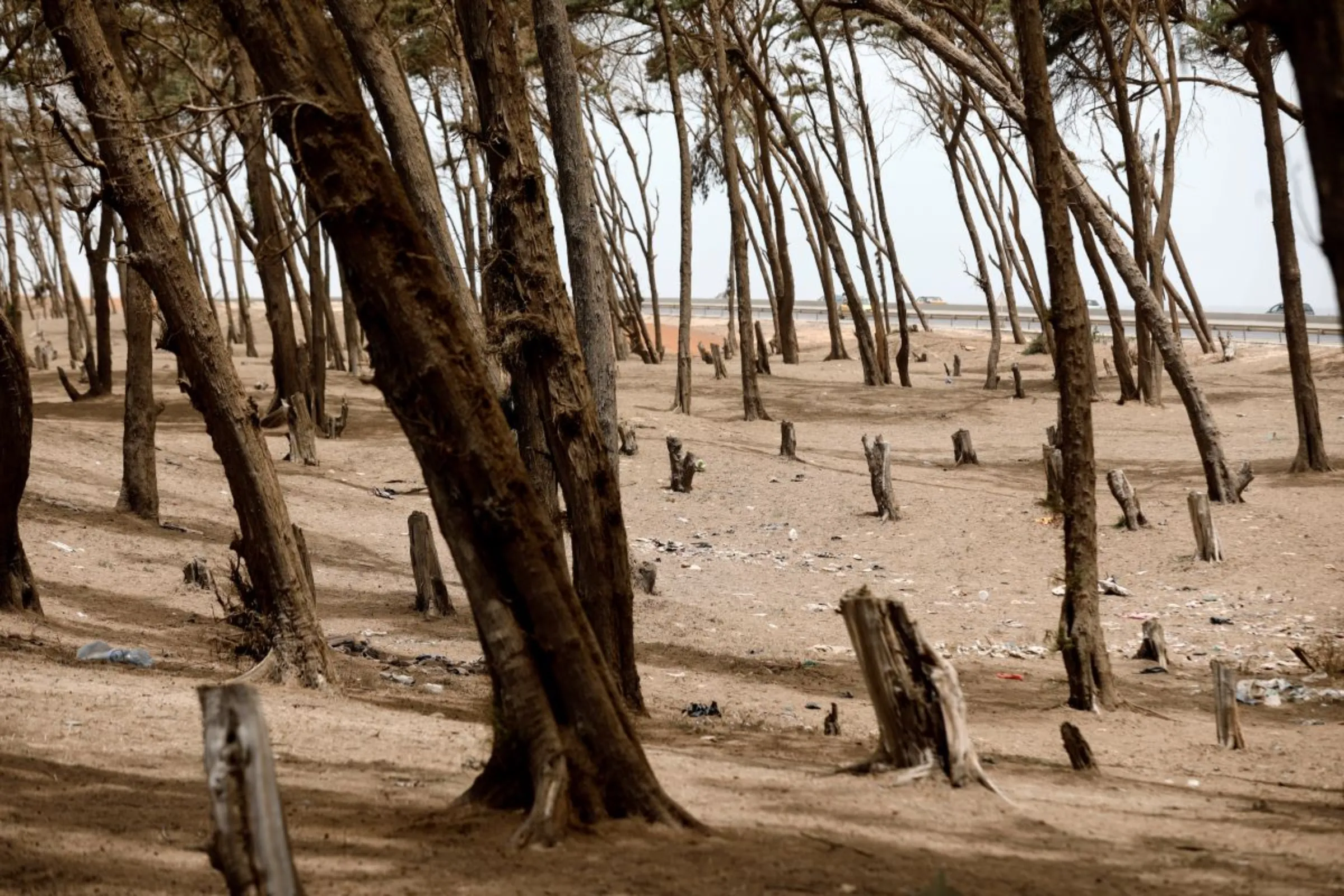
Biodiversity is also central to ecosystem engineering and regulation – the process by which organisms shape habitats.
Extinction of one living being often leads to cascade effects that threaten whole ecosystems.
In grassland ecosystems, hoofed terrestrial herbivores and soil, altering landscapes and promoting higher biodiversity, a 2024 assessment of research published in the Nature Ecology & Evolution journal showed.
Predators, meanwhile, contribute to keeping herbivore populations under control, limiting the risk of , a 2014 report in the Science journal said.
In the oceans, sperm whales mix water and through ocean layers with their large bodies, nourishing ecosystems and providing fishing grounds.
It is estimated, however, that great whale numbers have declined between 66% and 90% since commercial whaling began about 1,000 years ago, which means that they are making less of a contribution to keeping oceans plentiful.
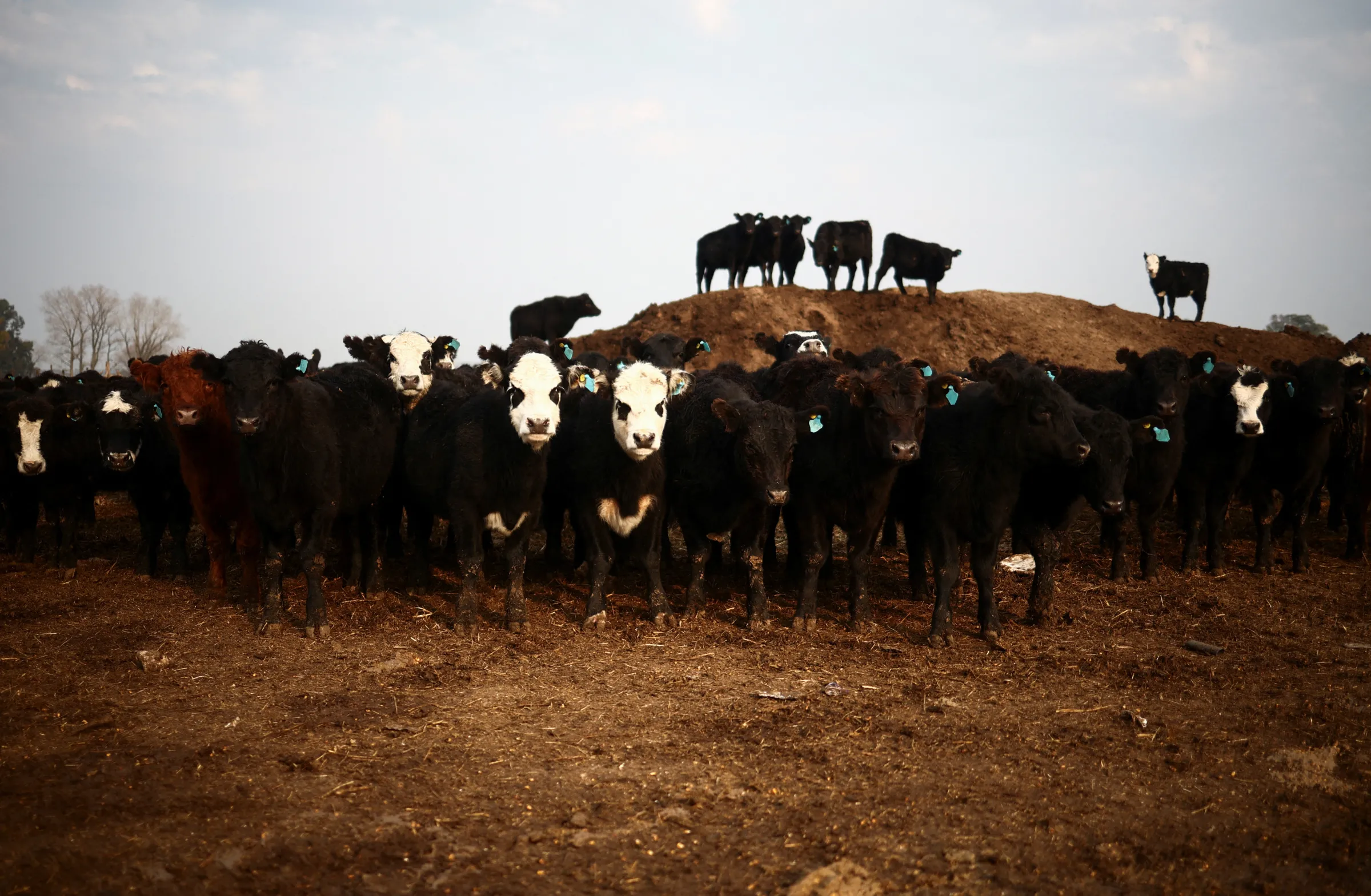
A view of cattle in a ranch in San Antonio de Areco, on the outskirts of Buenos Aires, Argentina June 7, 2024. REUTERS/Tomas Cuesta
A view of cattle in a ranch in San Antonio de Areco, on the outskirts of Buenos Aires, Argentina June 7, 2024. REUTERS/Tomas Cuesta
Ecosystem services
Biodiversity is essential to keeping and able to provide humanity with what are called ecosystem services such as food, crop pollination, soil protection, cooling, fresh water and even leisure.
Research published in 2020 by the Proceedings of the Royal Society B journal showed that five out of seven crops studied in the United States already , such as bees, to secure full development.
This means production would likely be greater if there were more insect biodiversity.
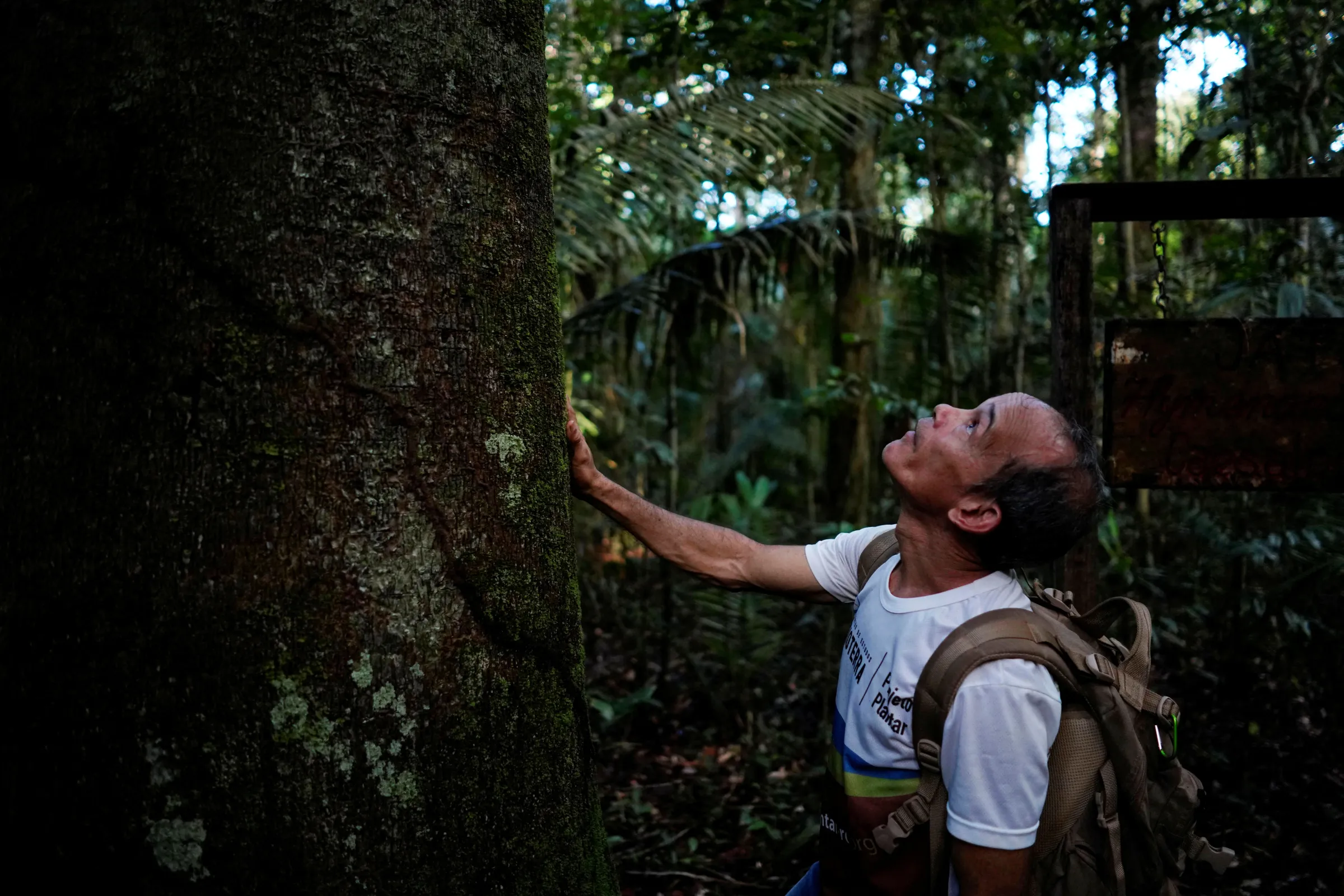
In the case of the Amazon, a 2019 paper published in the Biotropica journal by Brazilian researchers found that tapirs over long distances and help speed the recovery of disturbed forests.
Water from the Amazon that pour rain over much of South America, making it crucial for drinking water, agriculture, cooling and protection from wildfires.
Globally, destruction of natural areas coupled with climate change enabled of land (1.7 million square miles), an area larger than India, to turn dry between 1990 and 2020, according to figures released in 2024 by the U.N.
As the world dries up, it becomes to extreme climate events such as drought and the wildfires that hit South America in 2024 and now are spreading in California.
Human physical and psychological well-being
Biodiversity loss is also connected to humans suffering more from , according to a 2024 assessment of more than 2,900 studies.
For example, research published in 2011 as part of The Economics of Ecosystems and Biodiversity initiative suggested that loss of small mammal species contributes to the such as hantaviruses.
With less biodiversity, rodents of the same species have more frequent violent encounters in which they contaminate each other, increasing the risk that those diseases spread to humans.
Hantaviruses may cause such as difficulty breathing and kidney failure.
Biodiversity is also linked to psychological and cultural benefits.
In a 2013 paper, people exposed to bird sounds told British researchers they felt and fatigue.
Wild animals have also long served as inspiration to humans, featuring in artwork and music, but humanity has been losing that connection.
A 2018 study published by the Philosophical Transactions of the Royal Society B concluded that many human populations are undergoing an "," as destruction of habitats and concentration in urban areas makes interactions with wildlife more rare.
(Reporting by Andre Cabette Fabio; Editing by Ellen Wulfhorst.)
Context is powered by the 海角黑料 Newsroom.
Our Standards:
Tags
- Agriculture and farming
- Climate and health
- Loss and damage
- Forests
- Biodiversity

Featured
Go Deeper
The Backstory
 These links open on

Latest on Context


- 1
- 2
- 3
- 4
- 5
- 6