Context is powered by the 海角黑料 Newsroom.
Our Standards:

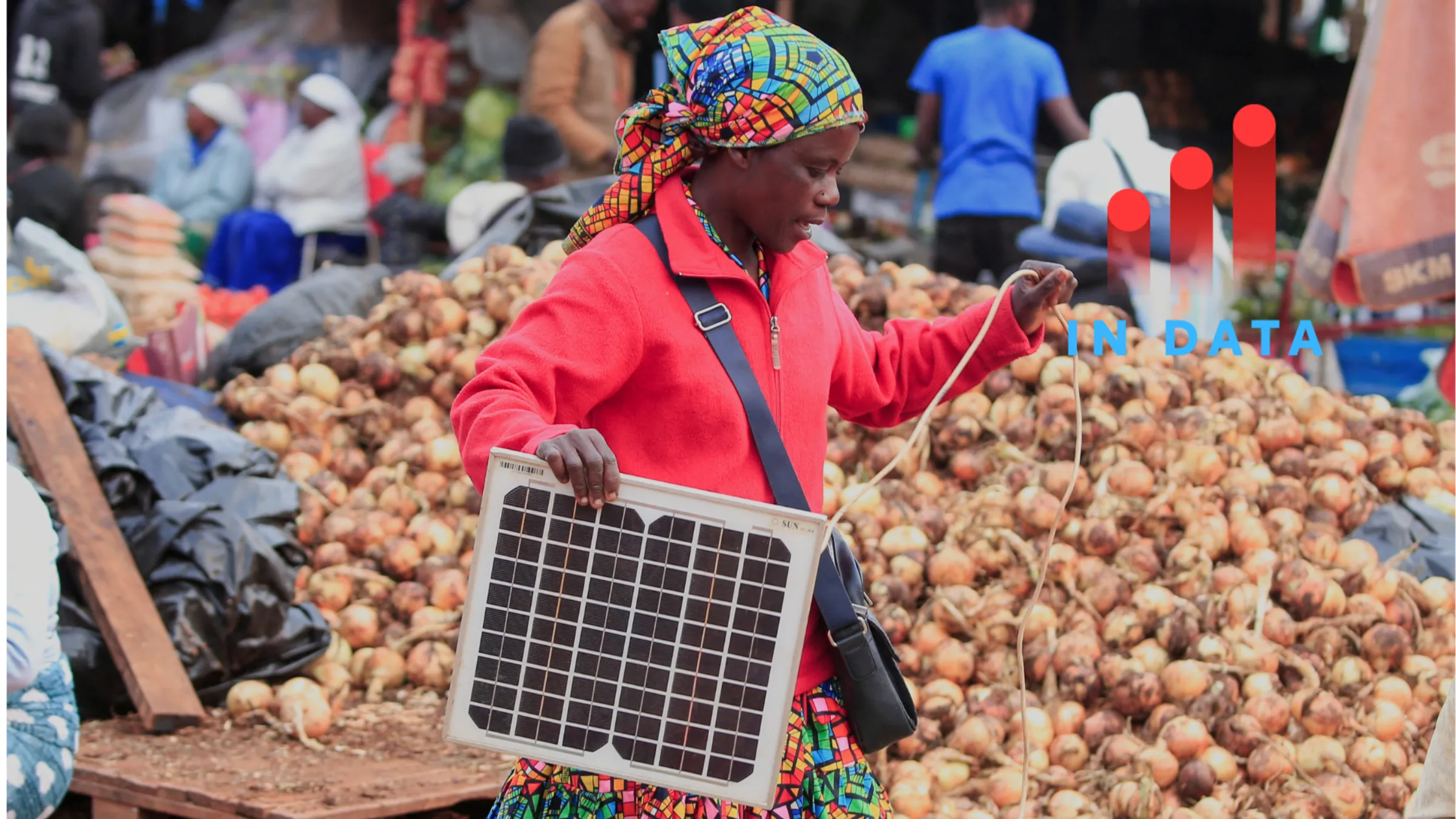
A woman prepares to set up a solar panel to charge her cellphone at a vegetable market in Harare, Zimbabwe, October 2, 2024.REUTERS/Philimon Bulawayo
Africa is the world's least electrified continent, but a recent solar spike could change that.
JOHANNESBURG - Satellite images of Earth show much of the planet glittering with electrification, while most of Africa is still cloaked in darkness despite having the world's greatest solar power potential.
Energy poverty, which means a lack of stable and affordable access to electricity, impacts roughly 58% of Africa's population, or some 626 million people, according to the Institute for Security Studies (ISS) think tank.
A lot of this boils down to unstable grid access.
Of the 39 African countries analysed by the Afrobarometer research network, just 11 countries, including South Africa, Gabon, Cameroon, Ghana, Morocco and Tunisia, have more than 90% grid access.
The rest surveyed by Afrobarometer range from 80% grid access to Madagascar's 29%. Eleven countries scored below 50%.
This data only captures grid access, not grid stability.
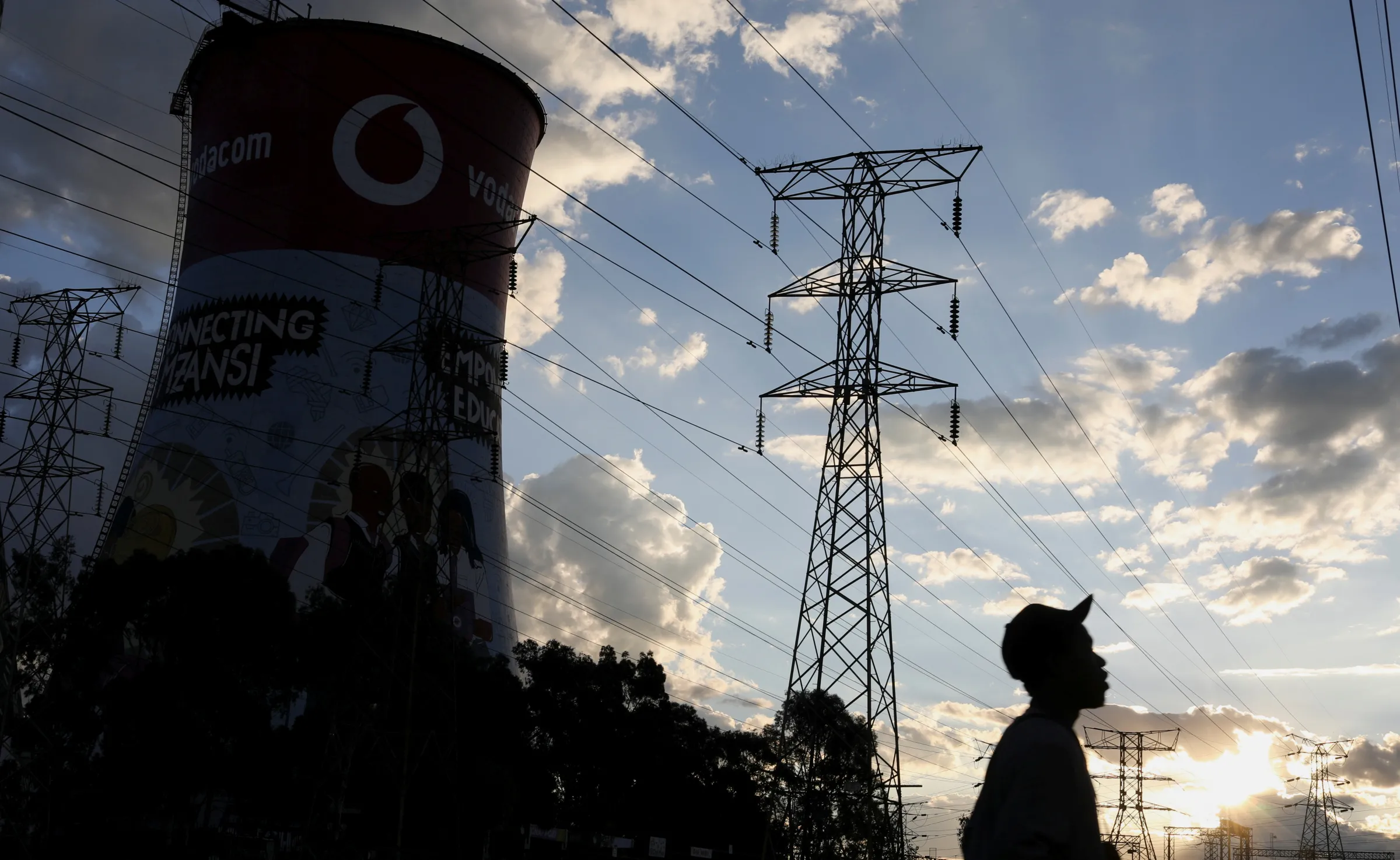
South Africa, for example, experienced power cuts until recently due to an erratic power supply from ageing energy infrastructure.
Many of the continent's power grids were set up decades ago during colonial times and have not been upgraded to accommodate growing populations, according to U.S.-based climate research group (CATF).
The CATF found that these "zombie energy systems" often force households to invest in energy back-ups, such as generators, torches, candles, paraffin lamps and voltage stabilisers.
This adds financial strain on households and are not counted in typical energy poverty assessments, meaning actual energy poverty levels may be even higher due to these hidden costs.
Compared to other emerging economies in South America and South Asia, Africa is lagging behind in access.
The continent saw only a 10% increase in electricity access between 2009 and 2019, rising to 53.8% from 43.5%, the ISS analysis showed.
The think tank projects Africa's energy access to reach 72.7% by 2043, compared to 97.4% in South America and 97.5% in South Asia, based on World Bank data.
ISS blames poor grid infrastructure and a lack of public and private investment in Africa's energy needs.
But things are slowly changing, with energy think tank Ember describing a .
An analysis by the World Bank, which took into consideration terrain and sunshine exposure, showed Africa compared to all continents.
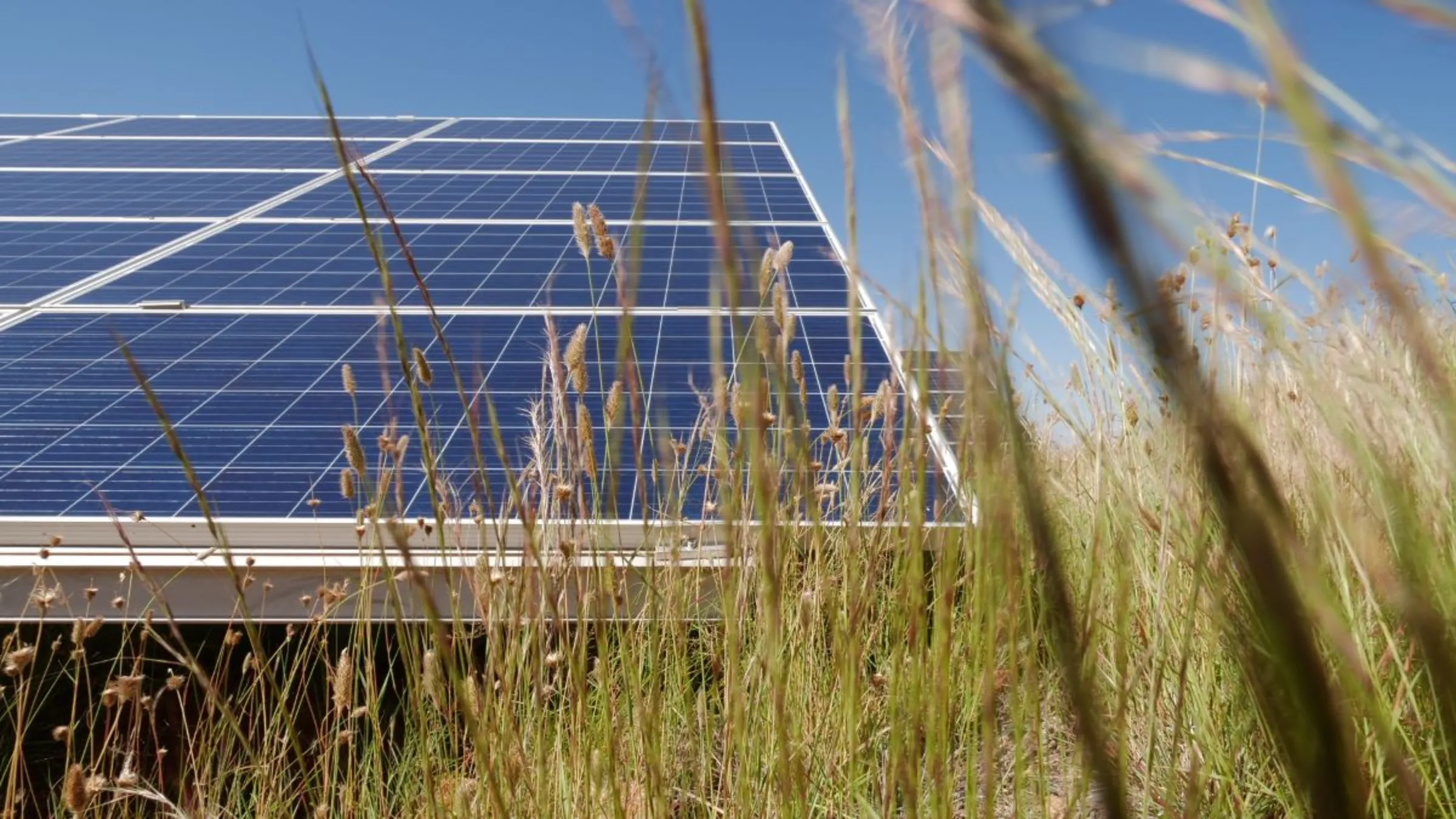
And solar panel access has jumped. By June 2025, solar imports from China into Africa rose by 60% in 12 months.
Outside of South Africa, 20 countries set new records for solar imports in the last 12 months, according to Ember's analysis.
This may be a sign of more renewables to come, with a report by climate think tank Power Shift Africa arguing that the continent is capable of transitioning to 100% clean energy by 2050.
Alongside grid upgrades, clean energy projects will need to come from community-run initiatives too, according to a report by (PCC), which oversees that country's transition.
One example can be found in South Africa's "solar city" that has emerged in the coal heartlands of Mpumalanga province. More than 400 homes use lithium-ion batteries charged by the sun to power their lights and cellphones.
Financial and administrative support for these initiatives could ensure that marginalised communities from rural or impoverished areas are included in the green transition, the PCC report found.
(Reporting by Kim Harrisberg. Editing by Jack Graham and Ayla Jean Yackley.)
Context is powered by the 海角黑料 Newsroom.
Our Standards:
 These links open on