


AI, bans and facial scans: Digital frontiers in 2026

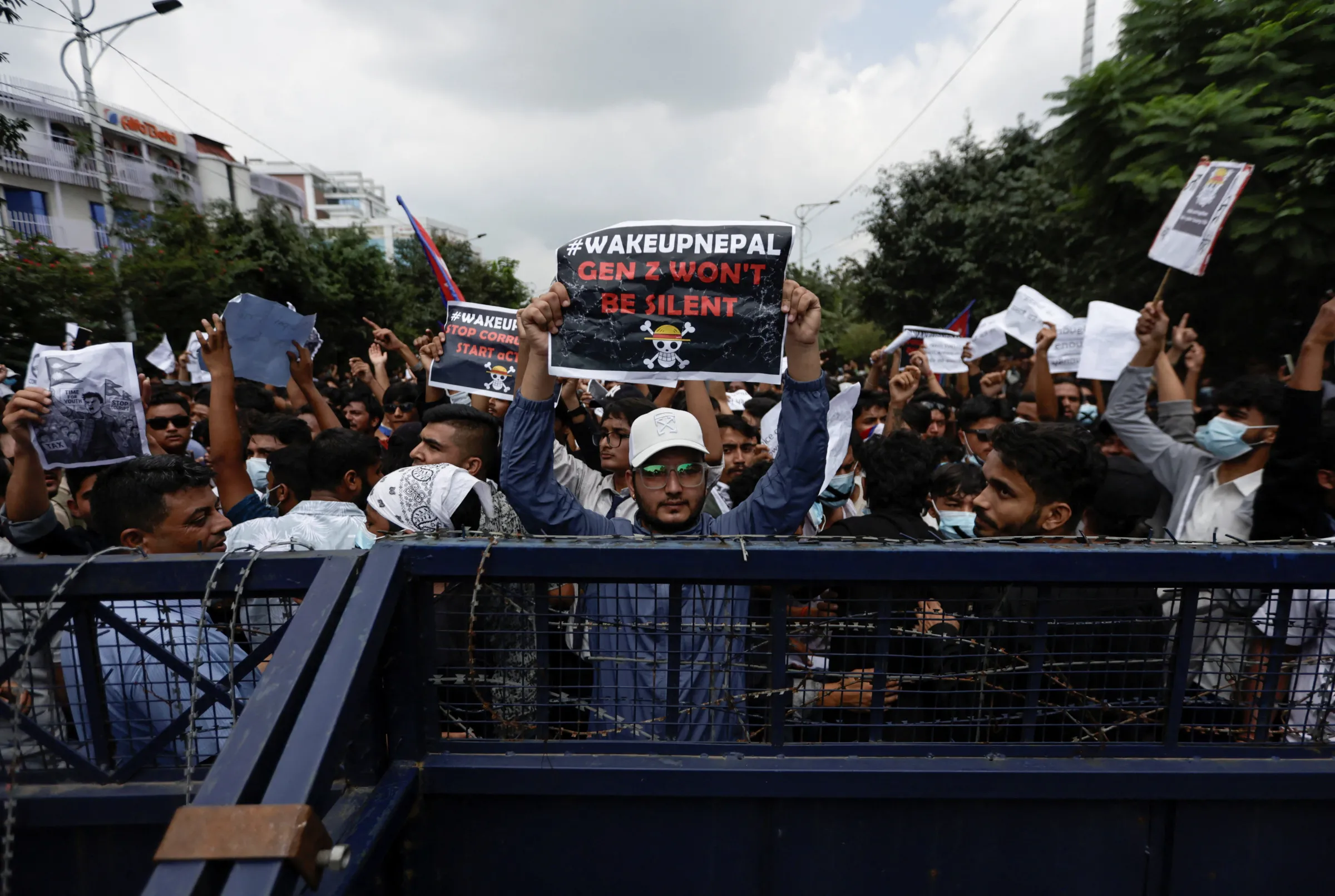
Demonstrators holding placards stand behind barricades during a protest against corruption and the government's decision to block several social media platforms, in Kathmandu, Nepal September 8, 2025. REUTERS/Navesh Chitrakar
What鈥檚 the context?
Gen Z protests, internet shutdowns, surveillance and AI: looking into the digital landscape of 2026.
LONDON - From internet shutdowns to the rise of AI, hyper-surveillance to protest via social media, digital technology is shaping lives and upending business as usual - for better and for worse.
Experts say that striking a balance between regulation and innovation will become harder in coming years, as governments and firms invest in artificial intelligence (AI), with consequences for jobs, mental health and the climate.
Here are five digital frontiers to watch for in 2026.
Regulation
Companies, legislators and governments are grappling with how best to implement safeguards that protect vulnerable groups and privacy, while still promoting tech innovation.
After intense pressure from the U.S. government and tech giants such as Apple and Meta, the European Commission of its year-old privacy and .
Instead, the EU will let tech firms use personal data to train AI models based on what they consider to be of legitimate interest - and without seeking consent.
U.S. President Donald Trump is also to pre-empt state laws on AI, showing his desire to help Big Tech overcome legislation that might stifle innovation.
The pushback against such legal guardrails comes as OpenAI faces seven lawsuits claiming that AI chatbot ChatGPT led people without prior mental health issues .
As many big powers opt to deregulate, Australia this month became the first country to up to A$49.5 million ($32.17 million) if they fail to take reasonable steps to block users aged under 16.
The ban was enforced across Reddit, video live-streaming platform Kick, Meta's Facebook, Instagram and Threads, Alphabet-owned YouTube, Snapchat, TikTok and X.
In October, Australia to AI chatbots.
France is also pushing for the EU to under the age of 15.
Britain's , which came into force in July, sets tough age requirements on platforms such as Facebook, YouTube, TikTok and X, as well as sites hosting pornography, to protect children and remove illegal content.
But experts say such bans could cut off vulnerable users from vital support networks, while privacy advocates fear age verification steps may allow more collection of personal data.
Youth protests and social media
The rapid spread of information on social media helped instigate mass protests among disenchanted youths in 2025, helping topple unpopular governments in Nepal and Madagascar.
Indonesia's protests drew regional support after the was shared widely on social platforms, sparking demonstrations around income inequality.
Africa, home to the world's youngest population, saw a wave of youth-led protests, fuelled by frustrations over corruption, poor governance, high living costs and rising unemployment.
With young Moroccans, Pakistanis and Peruvians among the latest to protest, will continue to feed off societal inequalities and instability, political analysts say.
Internet shutdowns
Governments are increasingly using internet blackouts to suppress civil unrest.
The Tanzanian government in October restricted internet access for five days during elections to limit the flow of information, rights groups said.
The shutdown blocked major social media platforms such as Facebook, WhatsApp, TikTok Live and Instagram Live, preventing real-time updates and online mobilisation, said activists.
Across Africa, internet shutdowns have doubled in less than a decade, according to the African Digital Rights Network.
In Afghanistan, access in September before shutting down connectivity altogether for two days, denying millions of people access to the outside world.
After the Myanmar earthquake in March, internet shutdowns hindered the aid response and fuelled misinformation.
Communications have been under control of the military junta since it seized power from a democratic government in 2021.
In the runup to its general election in late December - the first since the coup - there are aimed at stifling opposition and suppressing information.
Border control
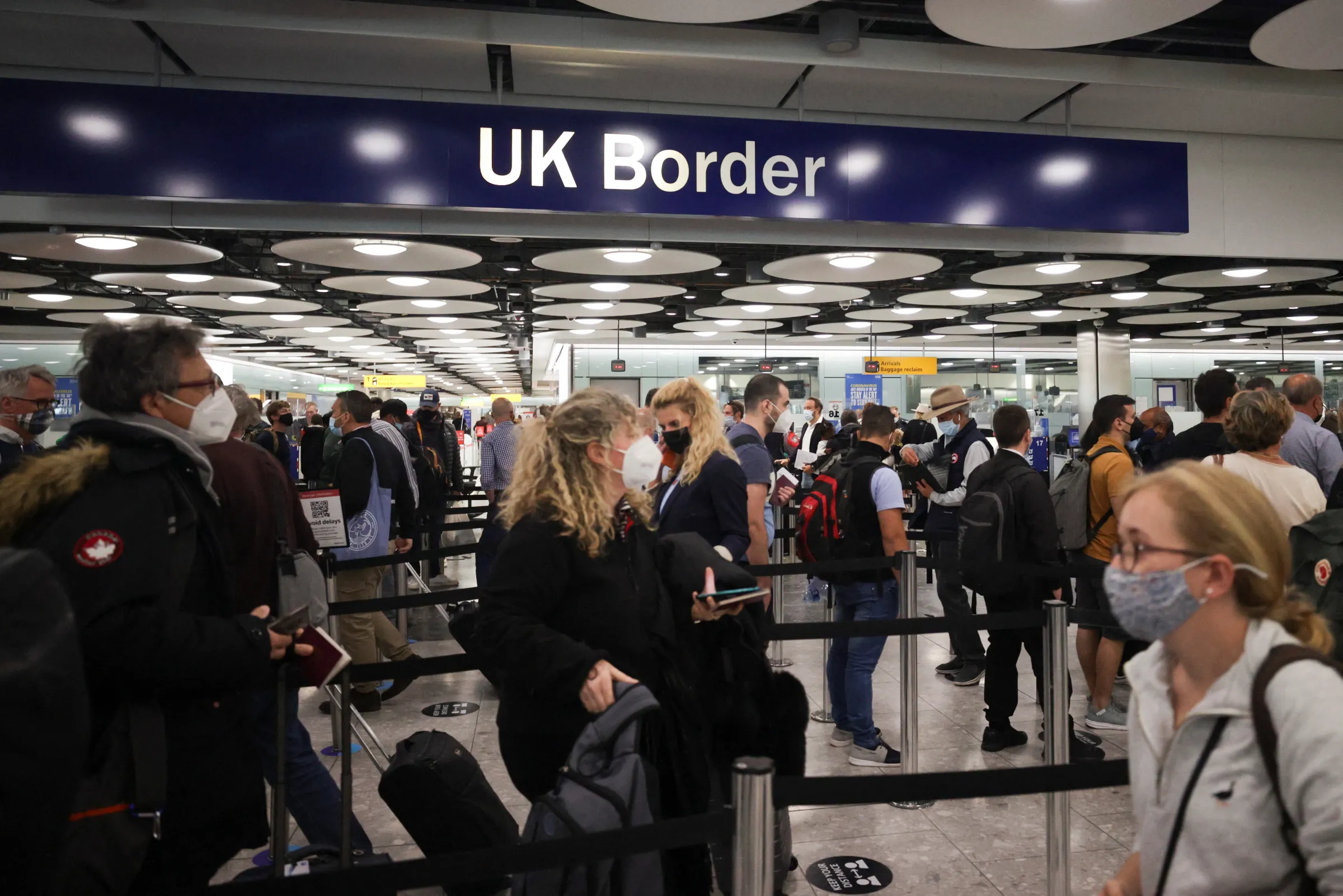
As the numbers fleeing war, poverty, climate disaster and other world tumult reach record levels, states are also increasingly turning to digital fixes to manage migration.
Britain said it would use AI to speed asylum decisions and would deploy facial age estimation tech on asylum seekers claiming to be under 18 over the course of 2026.
Britain also plans digital IDs for all workers to control migration, despite widespread criticism and privacy fears.
As part of his crackdown on immigration, Trump has also ramped up the use of surveillance and AI tools - from facial recognition to robotic patrol dogs.
Climate impacts
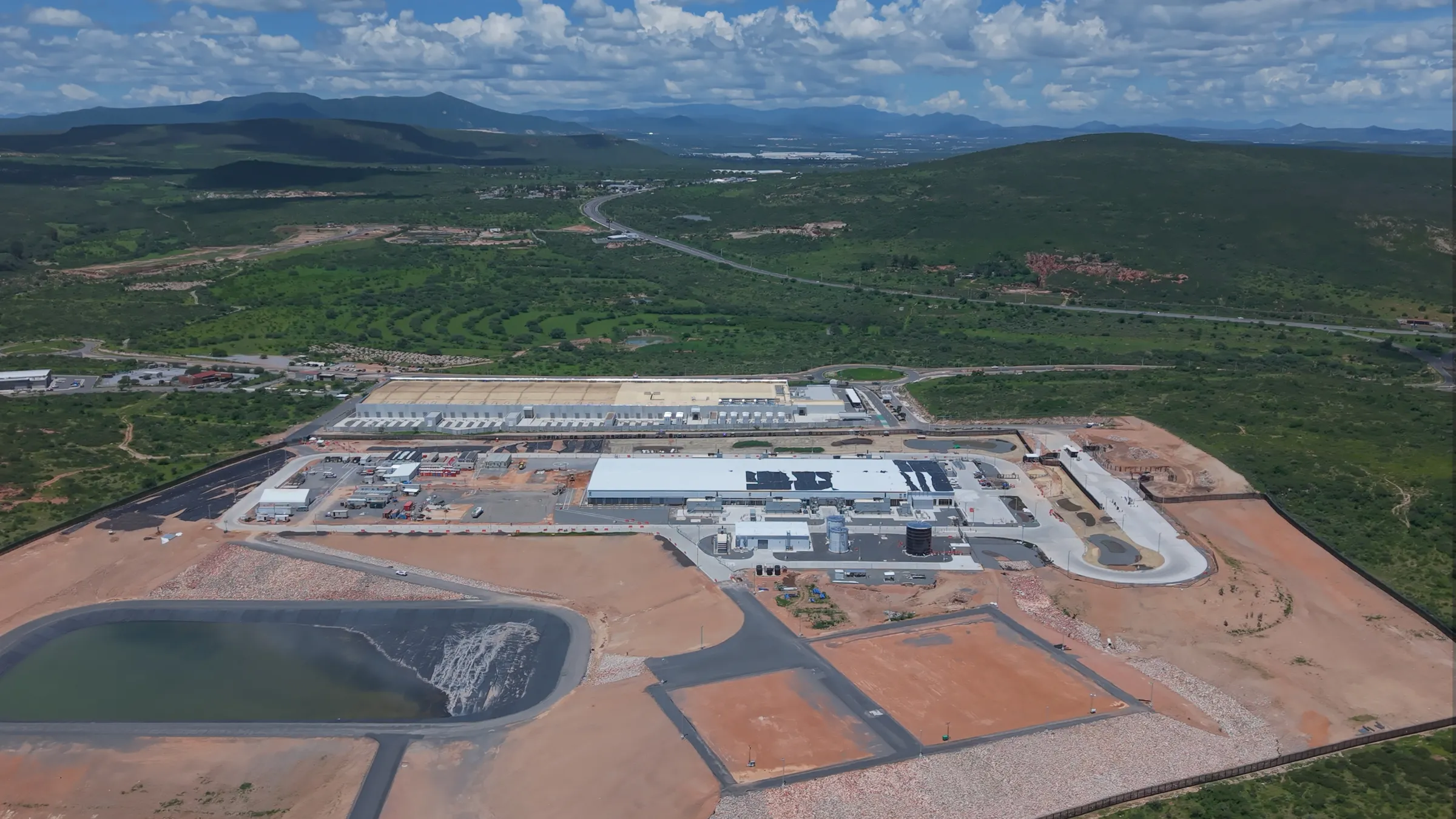
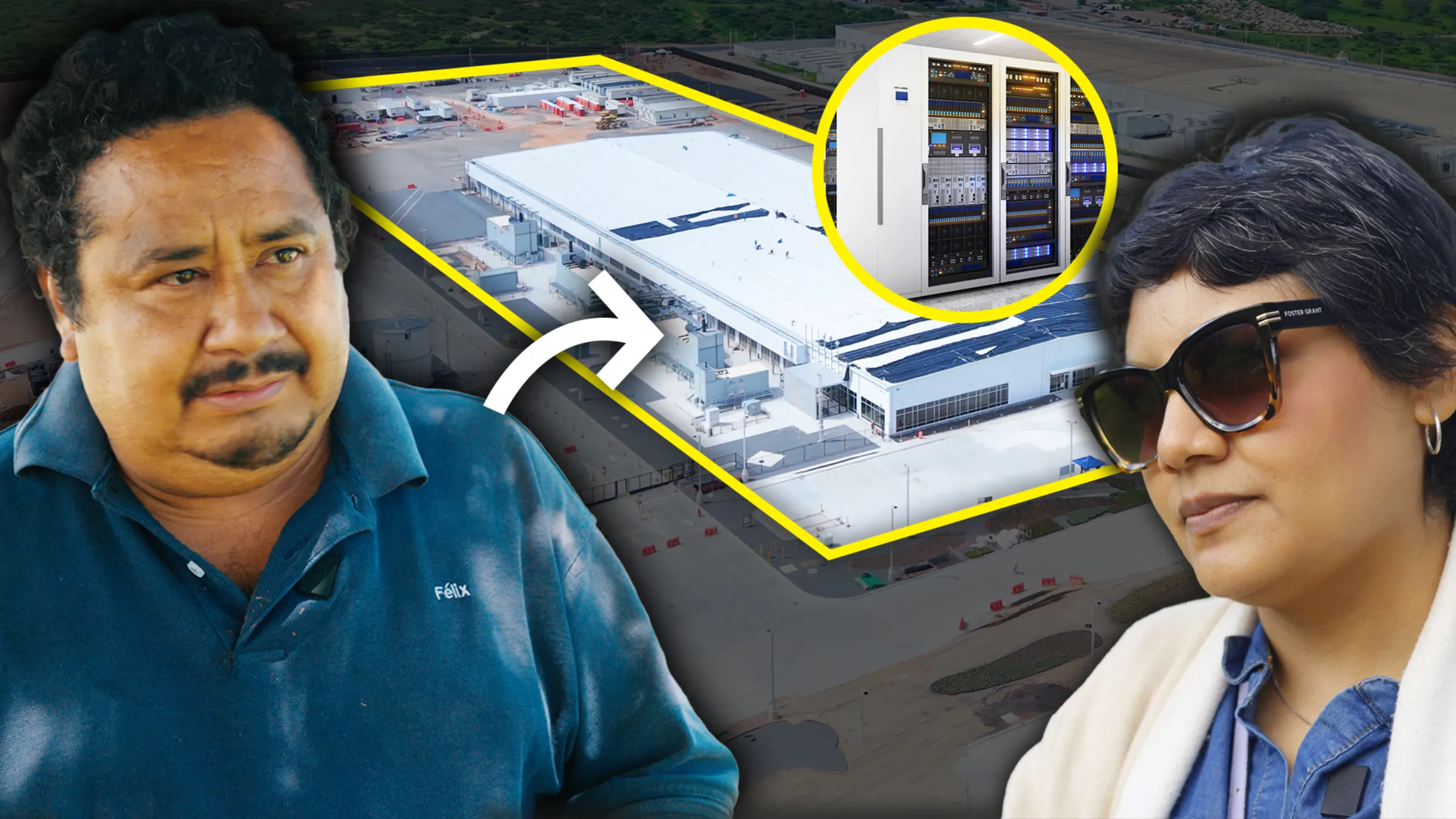
The number of data centres around the world has skyrocketed to meet the soaring demand for AI tech, but according to a series of Context investigations, there has been little information or accountability regarding their climate impact.
Data centres can house thousands of servers for big tech companies such as Microsoft, Google and Amazon to store reams of data for generative AI tools.
Servers use huge amounts of energy to run and a large amount of water to cool them. In 2023, Google said its data centres consumed 6.1 billion gallons of water.
In the United States, data centres could use up to 9% of all the electricity it generates by 2030, , according to the Electric Power Research Institute.
AI is poised to increase the amount of water that data centres use, as its power-intensive processors have greater cooling requirements than do conventional servers.
($1 = 1.5389 Australian dollars)
(Reporting by Lin Taylor, Editing by Lyndsay Griffiths.)
Context is powered by the 海角黑料 Newsroom.
Our Standards:
Tags
- Polarisation
- Digital IDs
- Content moderation
- Internet shutdowns
- Tech and inequality
- Tech regulation
- Social media
- Data rights




Featured
Go Deeper
The Backstory
 These links open on

Latest on Context

- 1
- 2
- 3
- 4
- 5
- 6